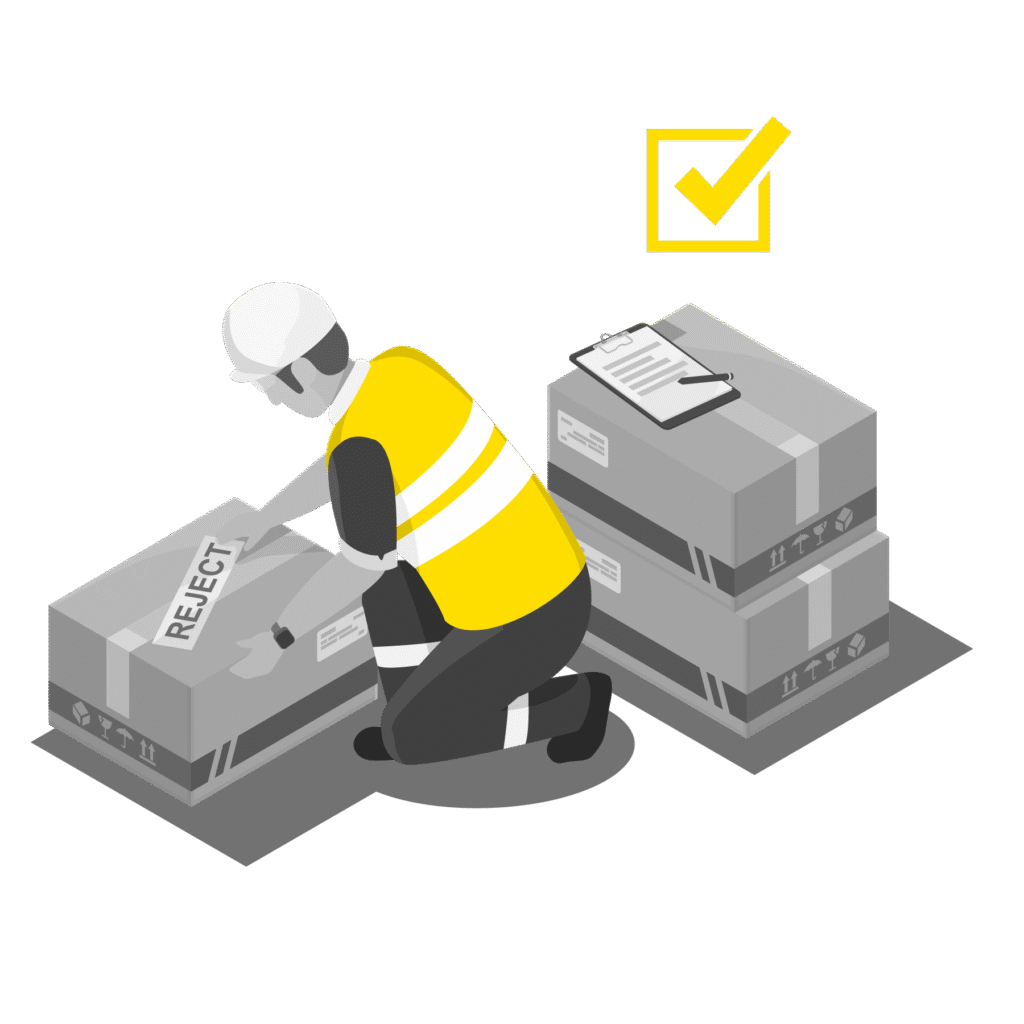

1. Proactive Quality Monitoring at OEM Plants
Suppliers are shifting away from reacting to issues after they occur. On-site resident liaisons are increasingly used to monitor assembly lines, scrap areas, and incoming material in real time. This early visibility helps catch concerns before they escalate into larger problems.
2. Real-Time Quality Communication
Access to live quality data is becoming essential. Digital tools that connect suppliers with on-site quality representatives allow faster updates, clearer reporting, and quicker decision-making. Real-time communication helps teams respond immediately and stay aligned across locations.
3. Stronger OEM Collaboration
OEMs expect consistent communication and accountability. Resident liaisons serve as the supplier’s on-site voice by attending meetings, sharing plant feedback, and supporting issue resolution. This closer working relationship reduces delays and improves trust.
4. Network-Wide Issue Awareness
Quality issues rarely stay isolated. When a concern arises at one plant, suppliers are expected to review risk across all shipping locations. Networked alerts and shared visibility allow teams to investigate and contain potential issues before they spread.
5. Broader Coverage with Flexible Support
Maintaining quality coverage across multiple OEM plants is a growing challenge. Suppliers are relying on scalable support models that provide coverage at many locations without increasing internal headcount. Backup coverage and layered support help maintain continuity during volume changes or staffing gaps.
What This Means for Tier 1 Suppliers
Quality management is becoming more connected, proactive, and collaborative. Suppliers that invest in early detection, real-time communication, and on-site representation are better positioned to reduce risk and support stable production.
If your team is looking to strengthen OEM coverage and stay ahead of quality issues, now is the time to act.